
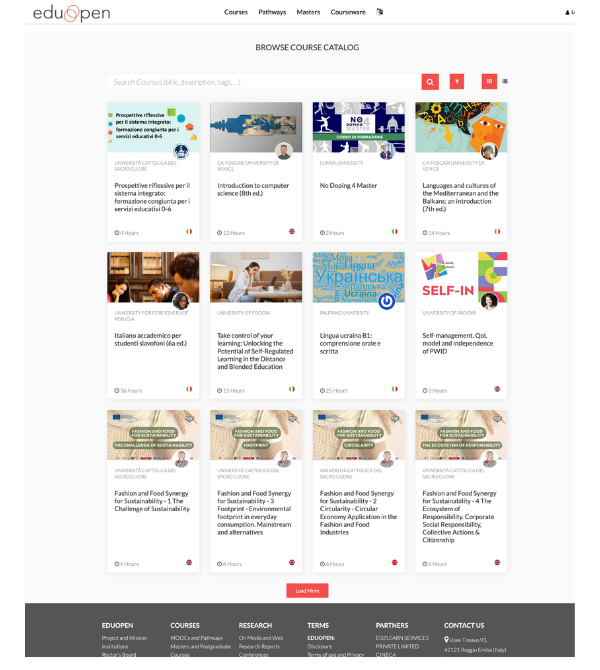
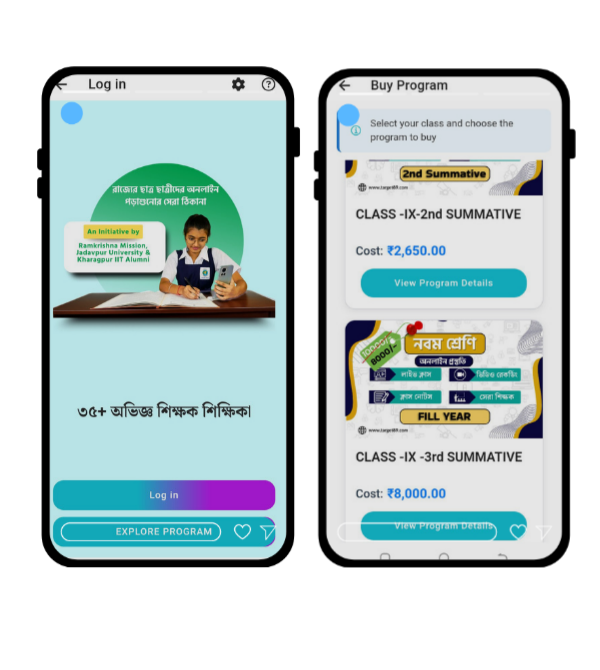

Training today is no longer limited to classrooms.
Businesses, schools, and organizations now rely on digital platforms to train people faster and more efficiently.
This is where LMS software comes in.
If you’re wondering what is LMS software, this guide will explain everything — from basics to benefits and real-world use cases.
What Is LMS Software?
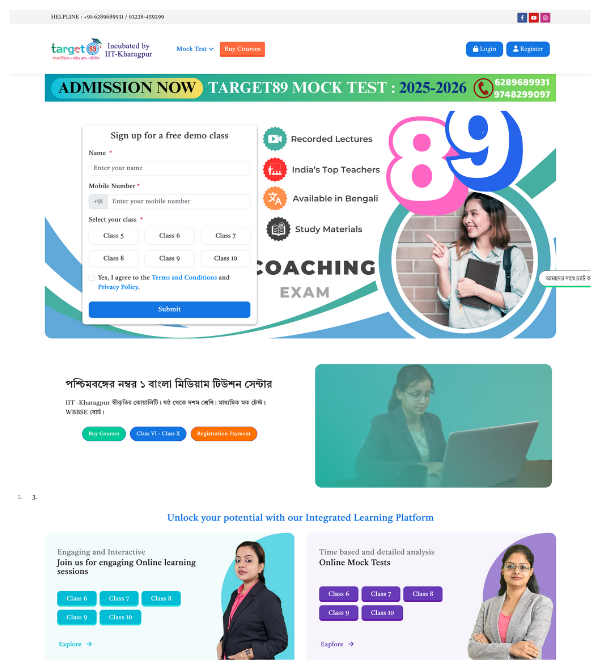
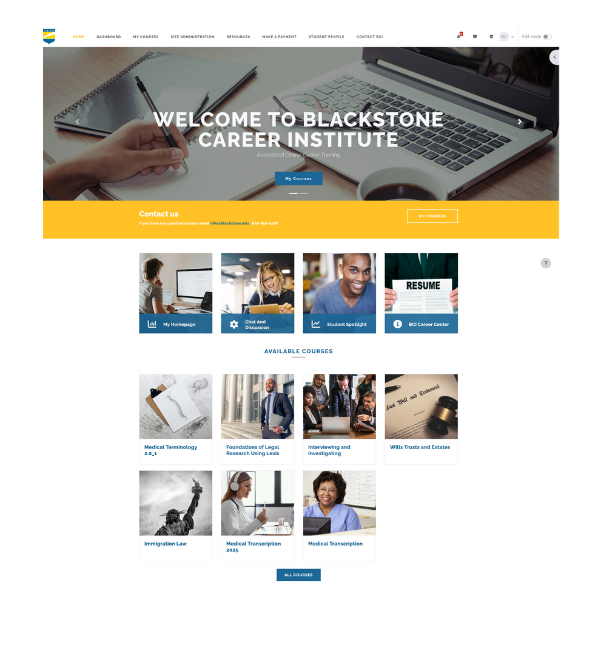
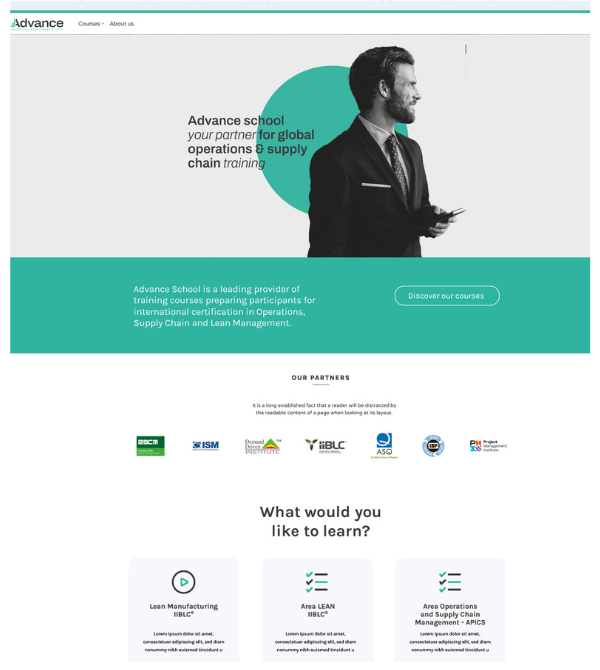
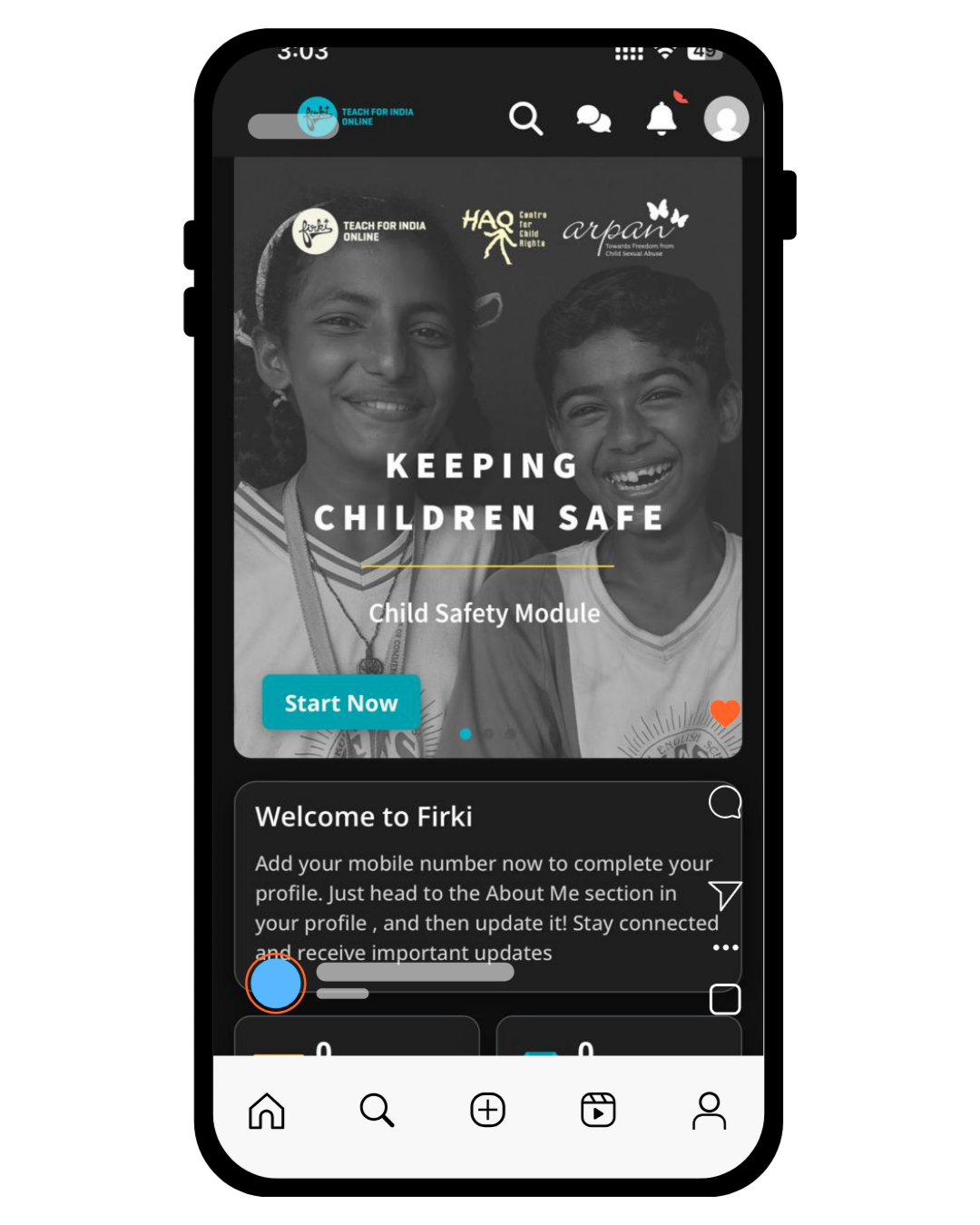
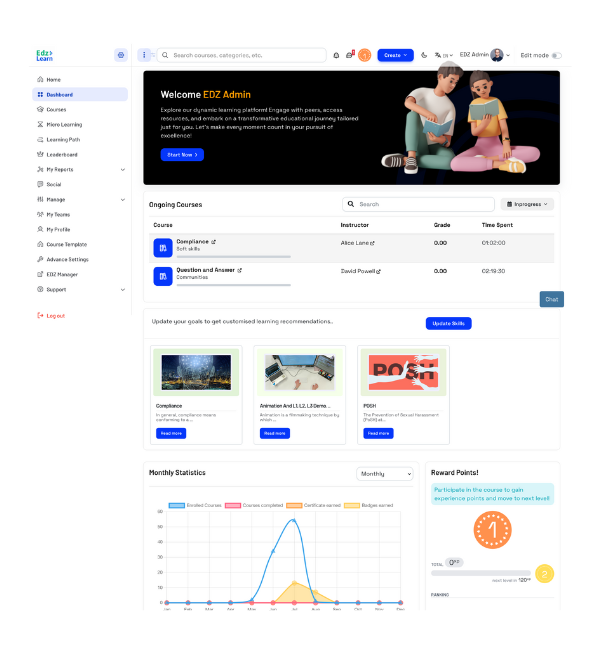
LMS software (Learning Management System) is a digital platform used to create, manage, deliver, and track training programs online.
With LMS software, organizations can:
- Upload training content
- Assign courses to users
- Track learning progress
- Conduct assessments
- Generate reports
Instead of managing training manually, everything is handled in one system.
How Does LMS Software Work?
LMS software follows a simple process:
- Admin creates or uploads courses
- Users are assigned training
- Learners access content online
- Progress is tracked automatically
- Reports are generated in real time
This structured workflow helps organizations manage learning efficiently.
Why LMS Software Is Important
Modern organizations need faster and scalable training solutions.
LMS software helps solve key challenges:
- Manual training is time-consuming
- Tracking learning progress is difficult
- Scaling training across teams is hard
With LMS software, training becomes centralized and measurable.
7 Powerful Benefits of LMS Software
-
Centralized Learning Platform
All training content is stored in one place.
Employees can access courses anytime.
-
Faster Employee Onboarding
New hires can complete onboarding training quickly through structured modules.
-
Cost-Effective Training
Companies reduce costs related to travel, trainers, and physical materials.
-
Scalable Learning
LMS platforms allow training for a small team or thousands of employees.
-
Real-Time Tracking and Reporting
Managers can track course completion, performance, and engagement.
-
Improved Learning Experience
Interactive content, quizzes, and certifications improve engagement.
-
Compliance Management
Organizations can track mandatory training and certifications easily.
Types of LMS Software
Different organizations use different types of LMS platforms.
Cloud-Based LMS
- Hosted online
- Easy to use
- No maintenance required
On-Premise LMS
- Installed on company servers
- Requires IT management
Corporate LMS
- Used for employee training
Academic LMS
- Used by schools and universities
Who Uses LMS Software?
LMS software is used across industries.
Corporate Companies
- Employee training
- Leadership development
- Compliance training
IT and Technology Firms
- Technical training
- Certification programs
Educational Institutions
- Online courses
- Student assessments
Healthcare Organizations
- Compliance training
- Medical certifications
Key Features of LMS Software
A modern LMS platform includes:
- Course management
- User management
- Online assessments
- Certification tracking
- Analytics and reporting
These features help organizations manage learning effectively.
How to Choose the Right LMS Software
Before selecting an LMS, consider:
Ease of Use
The platform should be simple for users and admins.
Scalability
It should support future growth.
Integration
The LMS should connect with HR and business tools.
Reporting
Detailed analytics are important for tracking performance.
Why Businesses in India Are Adopting LMS Software
Companies across India are rapidly adopting LMS platforms to:
- Train remote teams
- Improve employee performance
- Reduce training costs
- Standardize learning processes
This trend is growing across cities like Delhi, Bangalore, Mumbai, Hyderabad, and Pune.
Why Choose EDZLMS
EDZLMS is designed for modern training needs.
It offers:
- Easy-to-use interface
- Cloud-based platform
- Scalable architecture
- Advanced reporting
It helps businesses manage learning efficiently.
Final Thoughts
If you’re still asking what is LMS software, the answer is simple:
It’s the backbone of modern training.
LMS software helps organizations train smarter, faster, and more efficiently.
As businesses continue to grow, adopting the right LMS becomes essential.
