
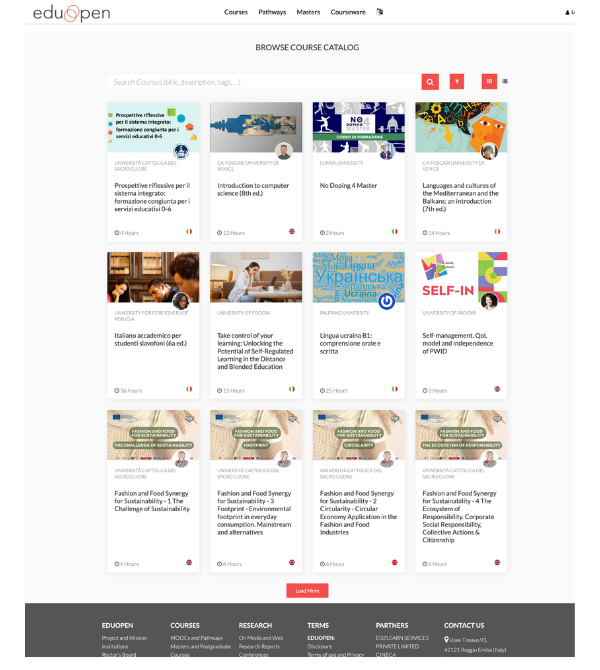
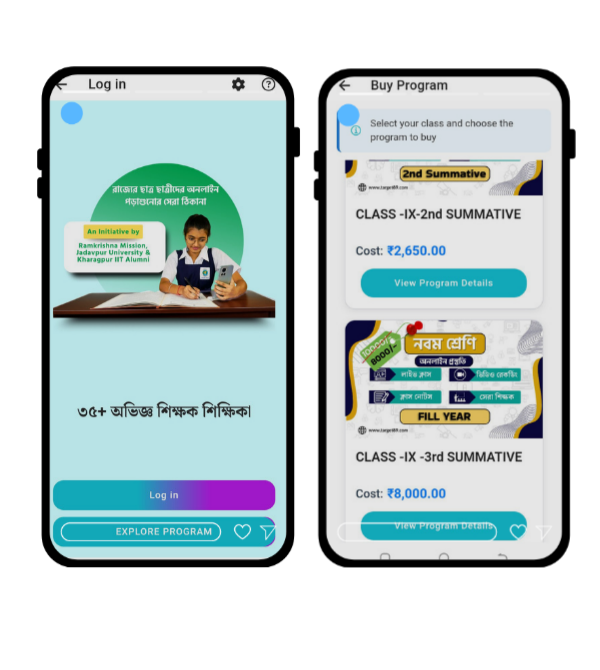


Choosing the right LMS can make or break your training strategy.
With so many options available, businesses often get confused about how to choose LMS software that actually fits their needs.
This guide simplifies everything.
You’ll learn exactly what to look for, what to avoid, and how to make the right decision.
Why Choosing the Right LMS Software Matters
Not all LMS platforms are built the same.
Choosing the wrong one can lead to:
- Poor user experience
- Low course completion rates
- Wasted budget
- Training inefficiency
The right LMS improves learning outcomes, saves time, and scales with your business.
Factor 1 – Identify Your Training Goals
Before selecting an LMS, define your purpose.
Ask yourself:
- Are you training employees or students?
- Is it onboarding, compliance, or skill development?
- Do you need certifications?
Clear goals help you choose the right platform faster.
Factor 2 – Ease of Use
An LMS should be simple for both admins and learners.
Look for:
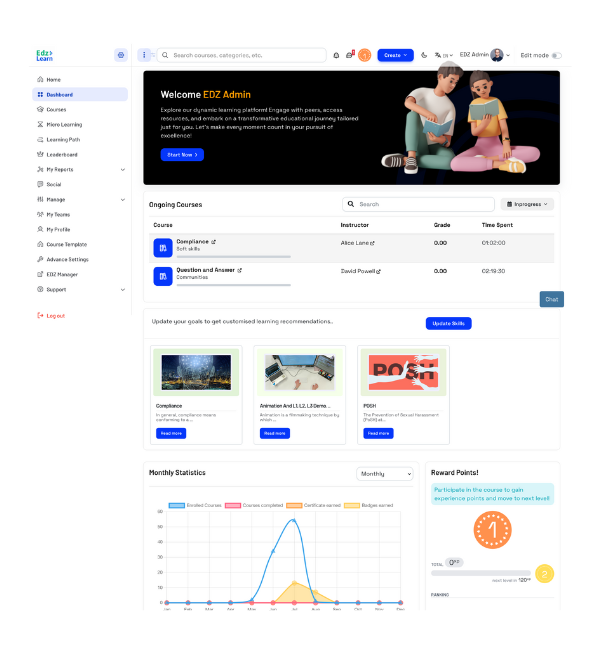
- Clean dashboard
- Easy navigation
- Quick course access
If it’s hard to use, adoption will fail.
Factor 3 – Cloud-Based vs On-Premise
Most modern businesses prefer cloud-based LMS software.
Cloud LMS
- No setup required
- Accessible anywhere
- Automatic updates
On-Premise LMS
- Requires infrastructure
- Needs IT maintenance
For most companies, cloud LMS is the better choice.
Factor 4 – Features and Functionality
Check if the LMS includes essential features:
- Course management
- User role management
- Assessments and quizzes
- Certification tracking
- Analytics and reports
Avoid platforms with unnecessary complexity.
Factor 5 – Scalability
Your LMS should grow with your business.
Choose a platform that can:
- Handle increasing users
- Support multiple teams
- Manage large content libraries
This prevents switching systems later.
Factor 6 – Mobile Compatibility
Employees don’t always learn on desktops.
Your LMS should be:
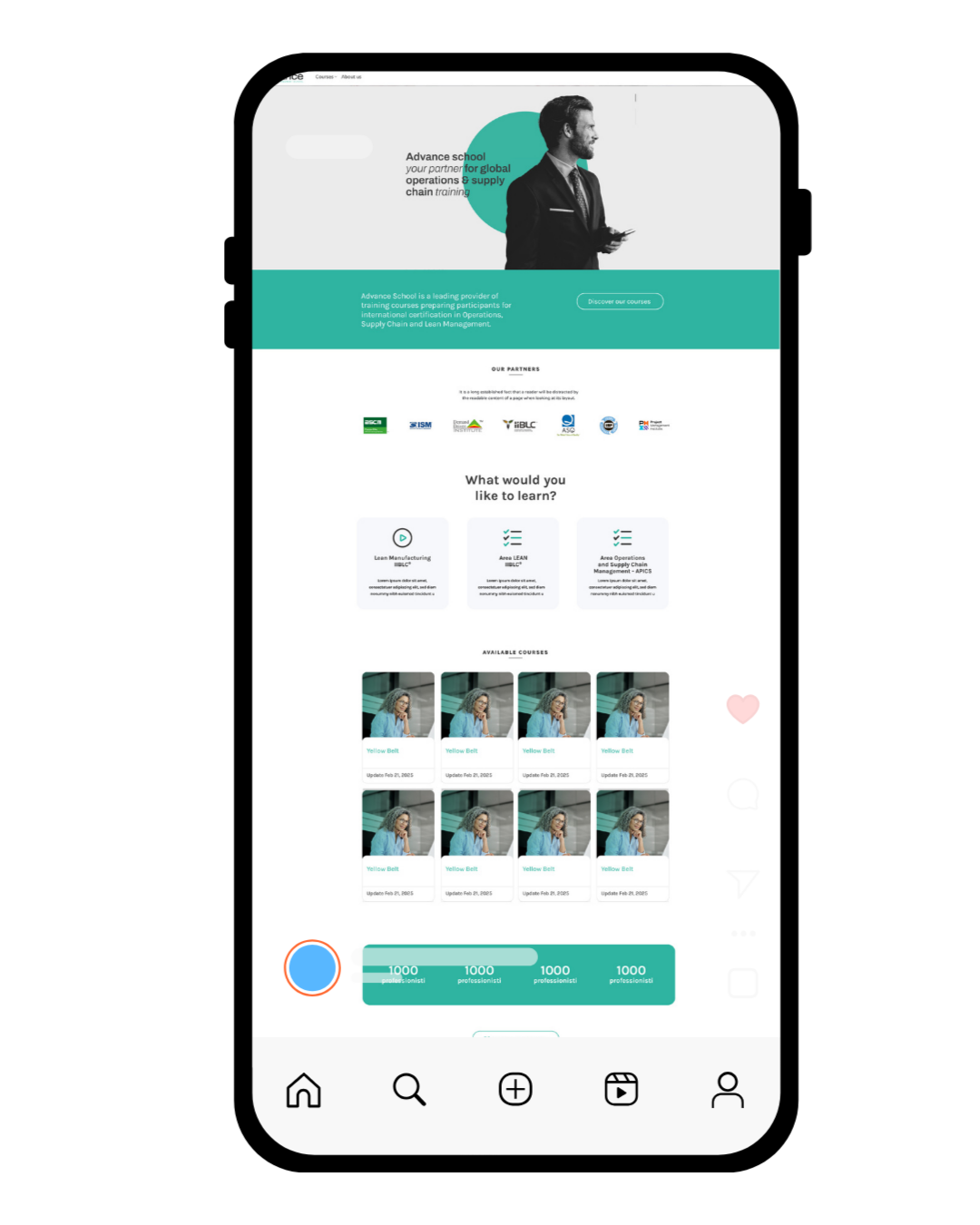
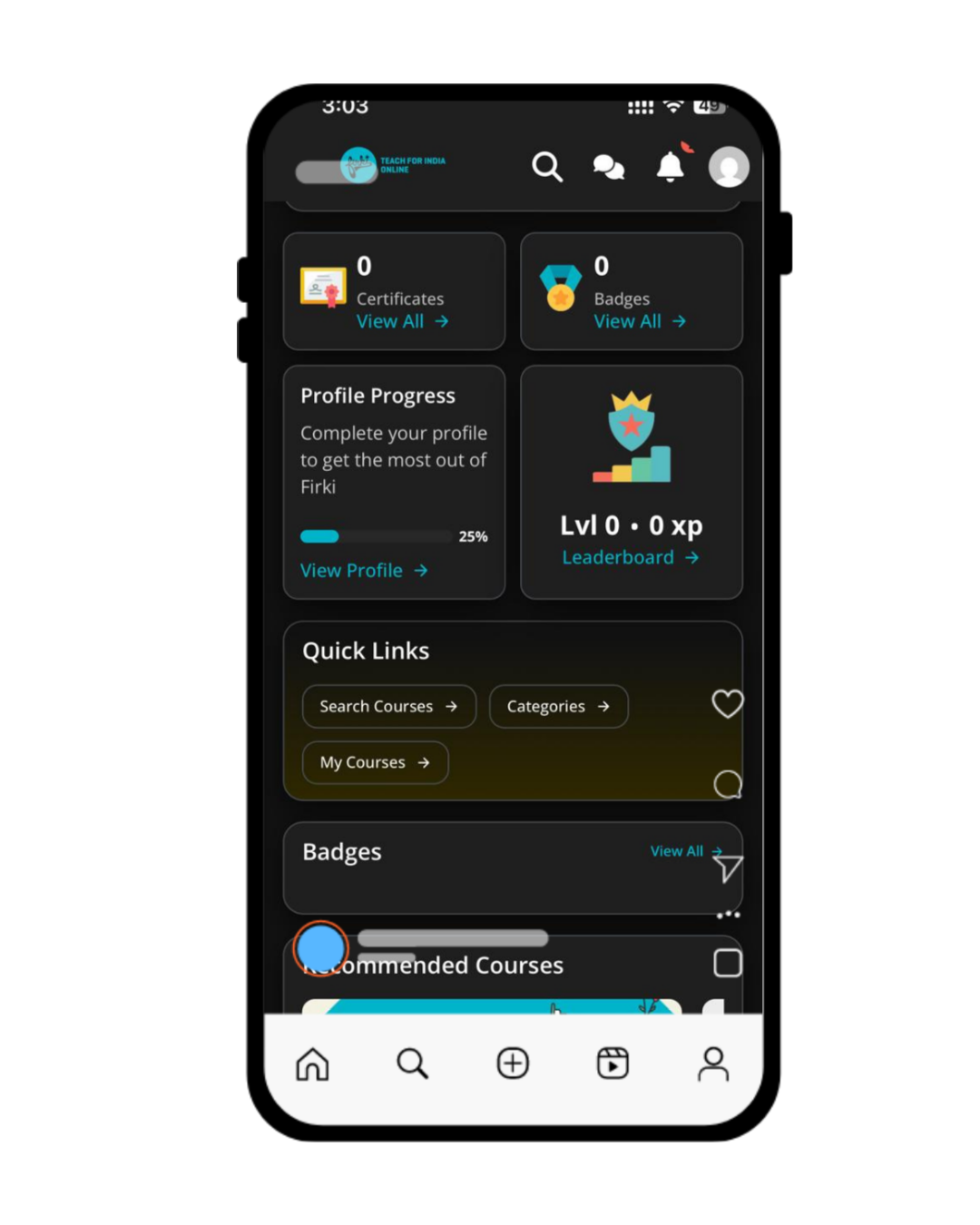
- Mobile-friendly
- Accessible on tablets
- Optimized for remote learning
This improves engagement significantly.
Factor 7 – Integration Capability
Your LMS should integrate with:
- HR software
- CRM systems
- Communication tools
Integration reduces manual work and improves workflow efficiency.
Factor 8 – Reporting and Analytics
Data helps improve training.
Look for LMS platforms that provide:
- Completion reports
- Performance tracking
- Engagement insights
This helps you measure ROI.
Factor 9 – Pricing and Support
Pricing should match your budget and needs.
Consider:
- Subscription model
- Hidden costs
- Customer support quality
Reliable support is crucial for long-term success.
Common Mistakes to Avoid
When choosing LMS software, avoid:
- Selecting based only on price
- Ignoring user experience
- Overlooking scalability
- Not checking support quality
These mistakes can cost time and money.
How EDZLMS Helps You Choose the Right LMS
EDZLMS is designed to simplify corporate training.
It offers:
- Easy-to-use interface
- Cloud-based platform
- Scalable architecture
- Advanced reporting
It fits businesses of all sizes.
Final Thoughts
If you’re wondering how to choose LMS software, focus on your goals, usability, features, and scalability.
The right LMS will:
- Improve training efficiency
- Increase employee performance
- Support business growth
