

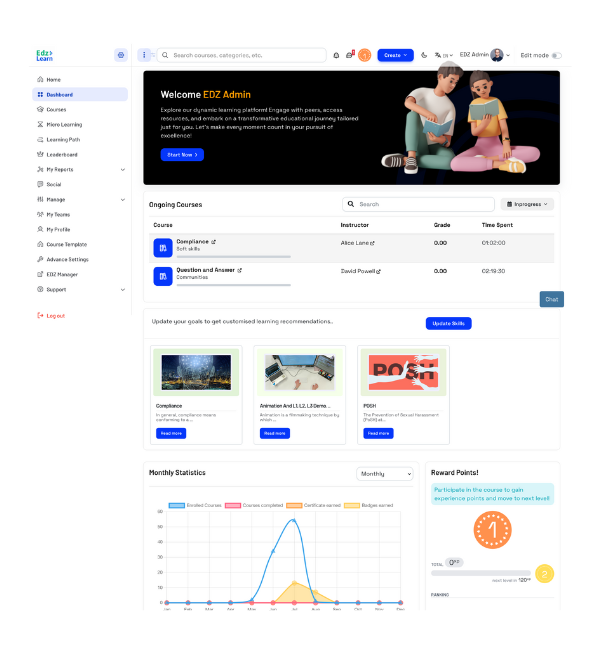
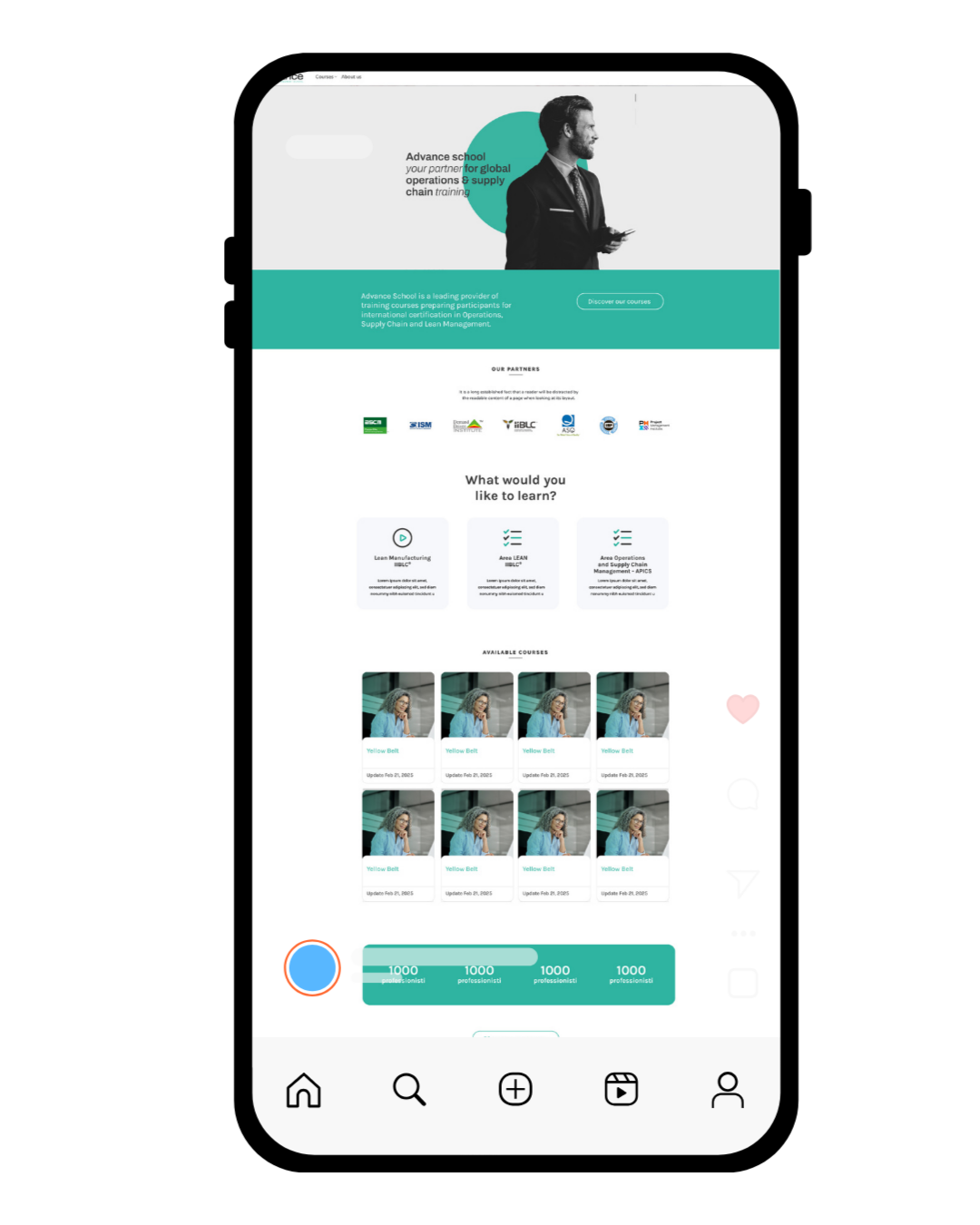
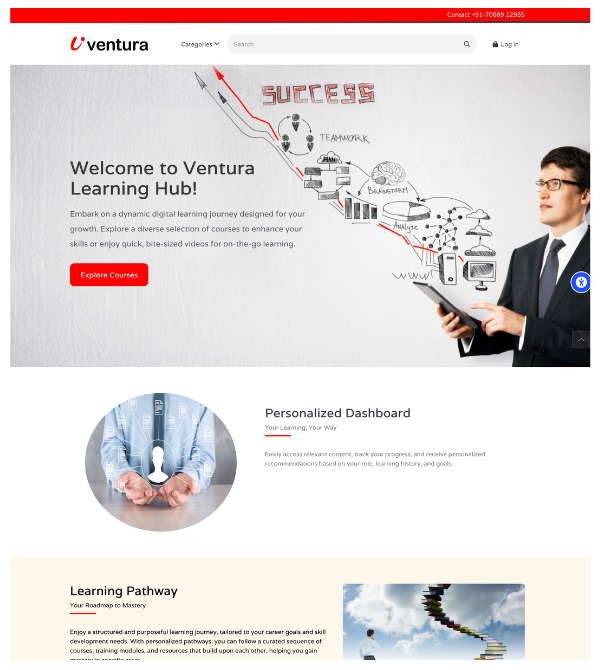
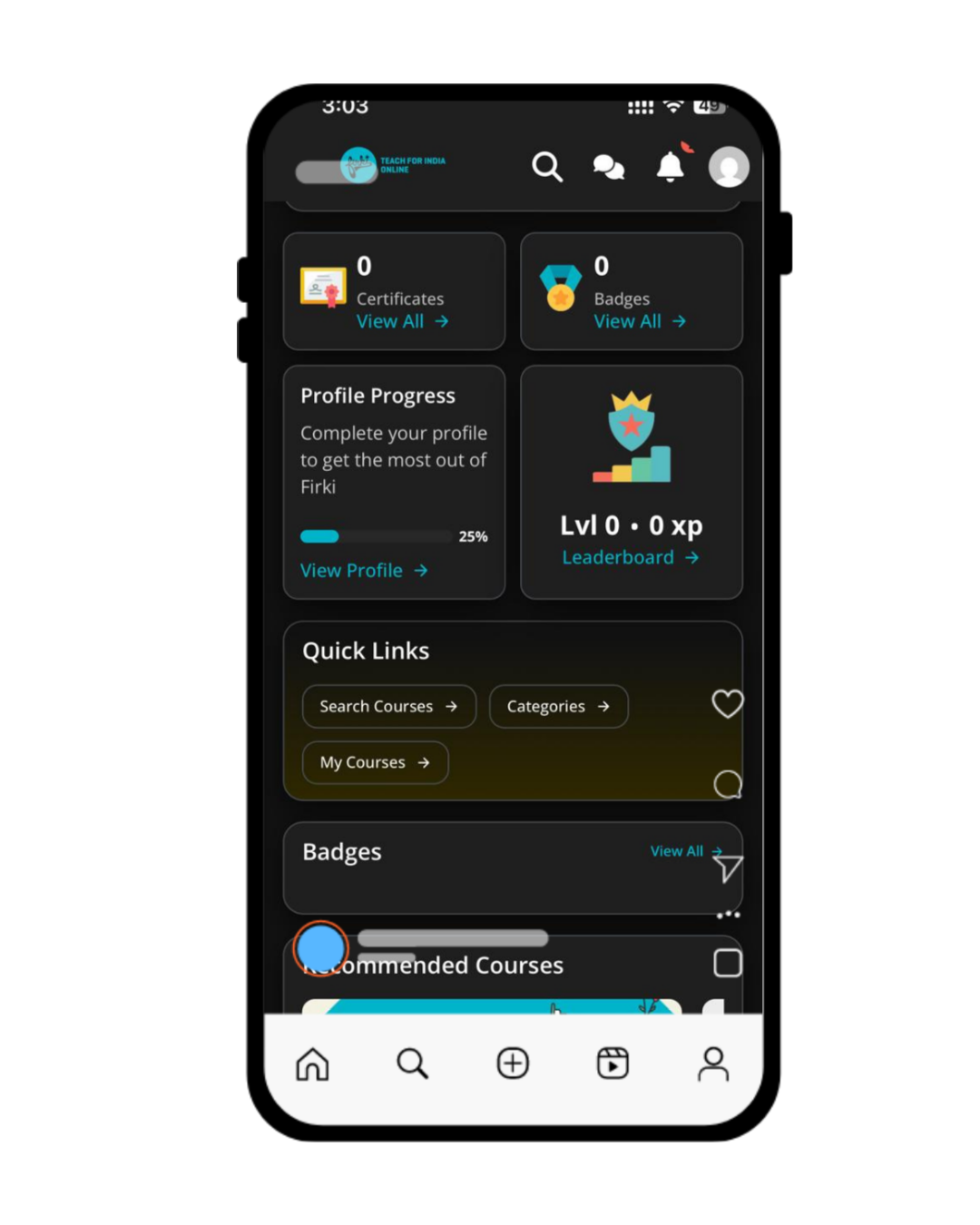
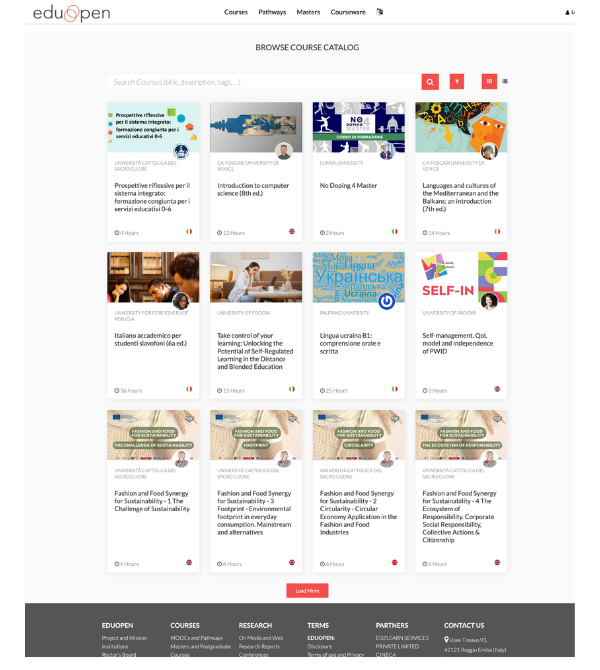



Before selecting a Learning Management System (LMS), it is crucial to assess your organization's unique learning needs and objectives. Start by identifying the types of training and educational programs your organization requires. Are you looking for an LMS to facilitate onboarding, compliance training, professional development, or all of the above? Understanding these needs will help you prioritize the features that are essential for your LMS.
- September 19, 2024
- Management
Mobile Learning: How LMS Platforms are Adapting to Mobile Devices
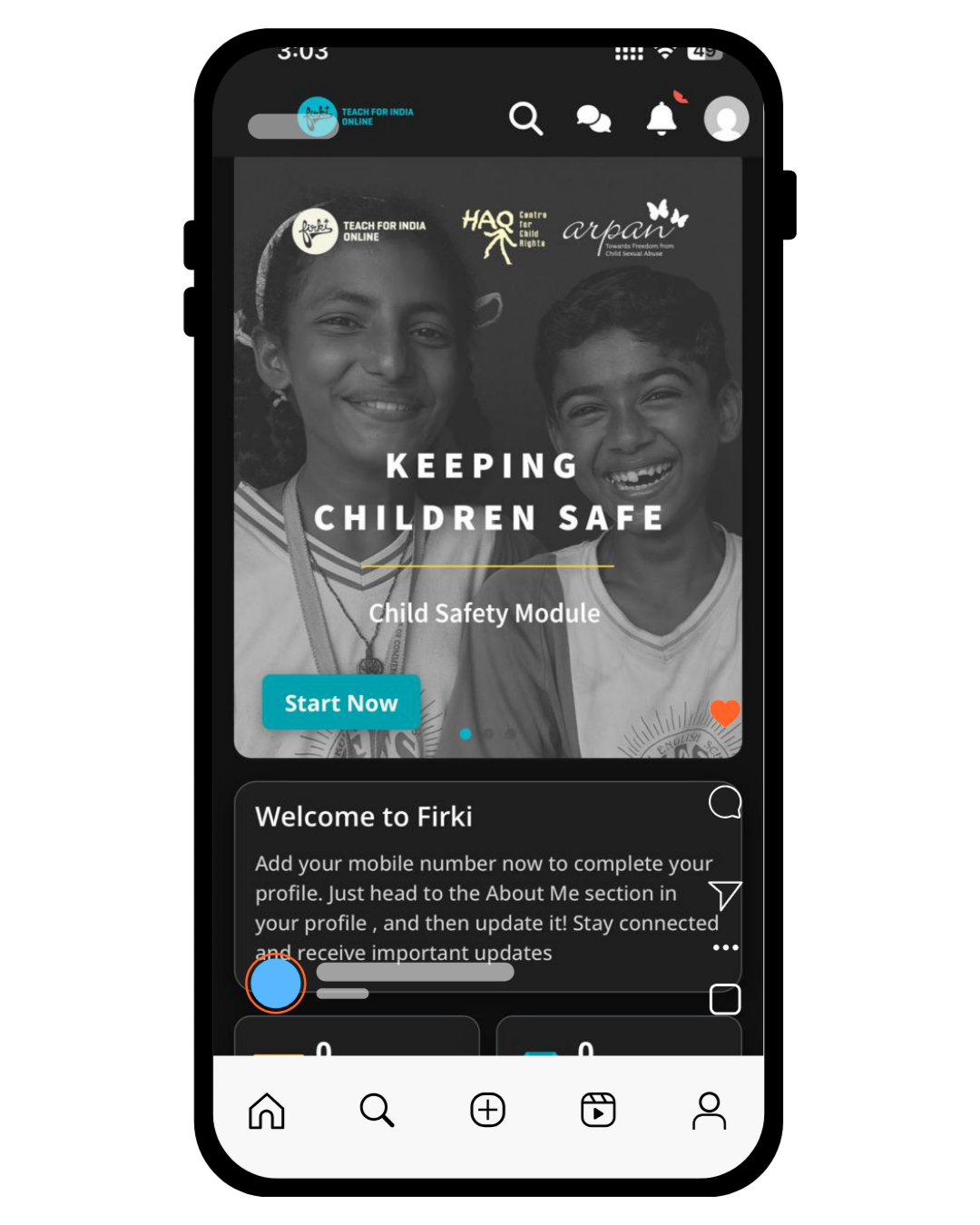
The increasing prevalence of smartphones and tablets has dramatically reshaped the landscape of learning. With more individuals relying on mobile devices for their daily activities, including education, Learning Management Systems (LMS) must evolve to meet this new demand. Mobile learning, or m-learning, refers to the use of portable devices to access educational content, enabling learning to occur anytime and anywhere. This shift is driven by the need for flexibility and convenience, as learners seek to integrate educational activities into their busy schedules. Traditional LMS platforms, which were initially designed for desktop use, often struggle to provide a seamless experience on mobile devices due to their static design and limited functionality.
- September 18, 2024
- Management
LMS for Higher Education: Enhancing the Student Learning
Learning Management Systems (LMS) have become an integral part of higher education, transforming how institutions deliver and manage educational content. These platforms are designed to streamline the administration, documentation, tracking, and delivery of educational courses. At their core, LMS provide a centralized digital space where instructors can upload course materials, manage assignments, and communicate with students. For students, LMS offer easy access to course resources, grades, and feedback.
- September 17, 2024
- Management
The Role of LMS in Corporate Training: Benefits and Challenges
A Learning Management System (LMS) is a software application designed to facilitate the management, delivery, and assessment of educational courses and training programs within an organization. In corporate settings, LMS platforms have become integral to training strategies, offering a centralized solution for employee development. The rise of LMS in corporate training is driven by the increasing need for scalable, flexible, and efficient training solutions that can meet the demands of a modern, diverse workforce.
- September 11, 2024
- Technology
Cloud-Based LMS vs. On-Premises LMS
Learning Management Systems (LMS) have become indispensable tools in the rapidly evolving landscape of education and corporate training. Organizations must decide between adopting a cloud-based LMS or an on-premises LMS, each with its own set of advantages and challenges. This decision significantly impacts cost, scalability, security, accessibility, and long-term viability. Understanding the pros and cons of both options is essential for making an informed choice that aligns with your organization’s needs.
- September 9, 2024
- Technology
Importance of User Experience in LMS Design
Understanding User Experience (UX)
User experience (UX) refers to a person's overall experience when interacting with a product or service. In a Learning Management System (LMS) context, UX encompasses everything from how intuitive the system is to navigate, to how effectively it helps users achieve their learning goals. A good UX is one where the users—students, educators, and administrators—can accomplish their tasks with ease and satisfaction.
- September 4, 2024
- Technology
Enhancing Academic Integrity with AI: Implementing a Plagiarism Detection System in Learning Management Systems (LMS)
Artificial Intelligence (AI) is rapidly transforming various sectors, and education is no exception. AI technologies encompass a broad range of tools and systems designed to simulate human intelligence processes, such as learning, reasoning, and problem-solving. In the educational context, AI is increasingly used to enhance teaching, personalize learning experiences, and streamline administrative tasks.
- September 2, 2024
- Technology
Using H5P in E-learning
H5P, short for HTML5 Package, is an innovative tool designed to enhance e-learning experiences through interactive content. As educators increasingly turn to digital platforms for teaching, the need for engaging, responsive, and accessible learning materials becomes paramount. H5P meets this need by providing a robust framework that allows users to create, share, and reuse interactive HTML5 content seamlessly.
- August 30, 2024
- Technology
How to Calculate ROI for an Implemented LMS
Return on Investment (ROI) is a performance measure used to evaluate the efficiency or profitability of an investment. It calculates the return generated on an investment relative to its cost. In the context of a Learning Management System (LMS), ROI helps determine the financial benefits gained from the system compared to the investment made. This calculation is crucial for assessing whether the LMS provides value to the organization and helps in making informed decisions regarding future investments in learning and development technologies.
- August 28, 2024
- Technology
Boosting Course Engagement with Gamification
Gamification is the application of game-design elements and principles in non-game contexts, like education, to enhance user engagement and motivation. In recent years, it has become a popular strategy in online learning environments to make courses more interactive and enjoyable. By incorporating elements such as scores, badges, leaderboards, and trophies, educators can transform traditional learning experiences into dynamic and stimulating activities. This approach not only attracts learners but also keeps them engaged and motivated to complete their courses. Gamification leverages the natural human instinct for competition and achievement, turning the learning process into an exciting and rewarding journey.